
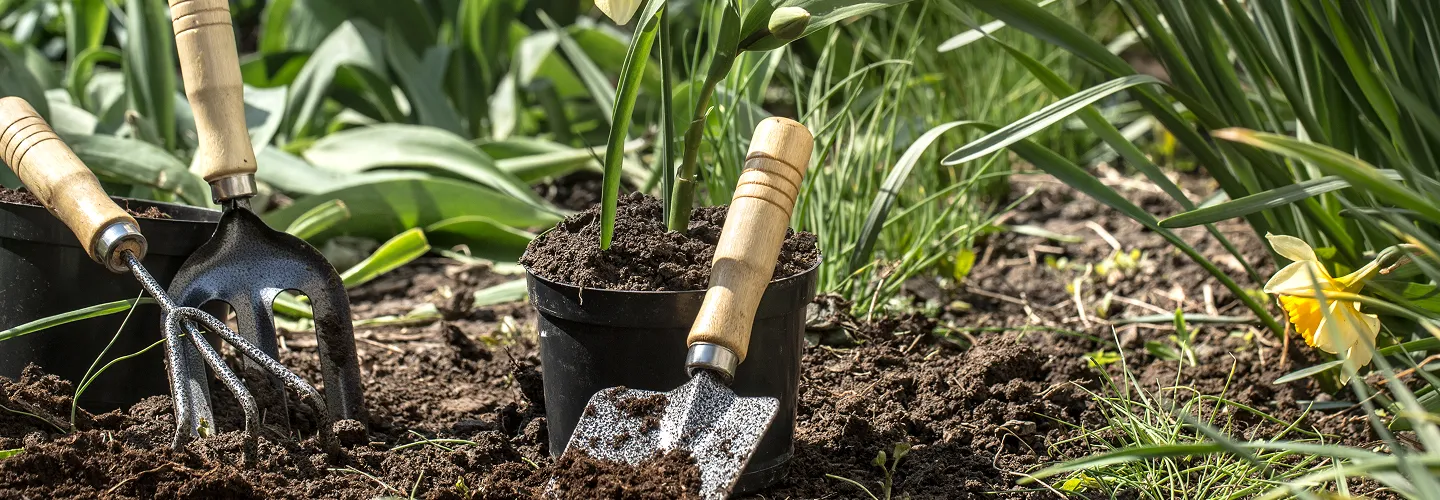
Hornsby Bend Lawn Installation Services
Choose our expert lawn installation for a seamless, hassle-free transformation—enjoy a vibrant, healthy yard that boosts your curb appeal and provides a beautiful space for your family to enjoy.
Get a Free QuoteOur Hornsby Bend Landscaping & Yard Care Services
When to Schedule Lawn Installation in Hornsby Bend, Texas – Seasonal Guide
Choosing the right time for lawn installation in Hornsby Bend, Texas, is essential for achieving a healthy, resilient yard. The region’s climate features hot summers, mild winters, and variable rainfall, making late spring and early fall the most favorable periods for new sod or seed. These seasons offer moderate temperatures and increased soil moisture, which help new grass establish strong roots before the intense summer heat or occasional winter frosts arrive.
Local neighborhoods like Forest Bluff and the areas near Colorado River Parklands often experience unique microclimates due to shade from mature trees and proximity to water. Homeowners should consider factors such as the area’s clay-heavy soils, which retain moisture but can become compacted, and the risk of drought during late summer. Additionally, municipal guidelines and resources, such as those provided by Sudbury’s local government, can offer valuable insights into water restrictions and best practices for sustainable landscaping.
Local Factors to Consider for Lawn Installation in Hornsby Bend
- Tree density and shade coverage, especially in established neighborhoods
- Soil type and drainage, with many areas featuring clay-rich soils
- Average precipitation and risk of drought during late summer
- Frost dates, typically occurring in late winter
- Terrain variations, including slopes and low-lying spots prone to pooling
- Municipal restrictions on watering and landscaping
Benefits of Lawn Installation in Hornsby Bend
Expert Landscaping Services
Premium Quality Sod and Grass
Efficient Project Completion
Customized Lawn Solutions
Enhanced Curb Appeal
Sustainable Lawn Practices
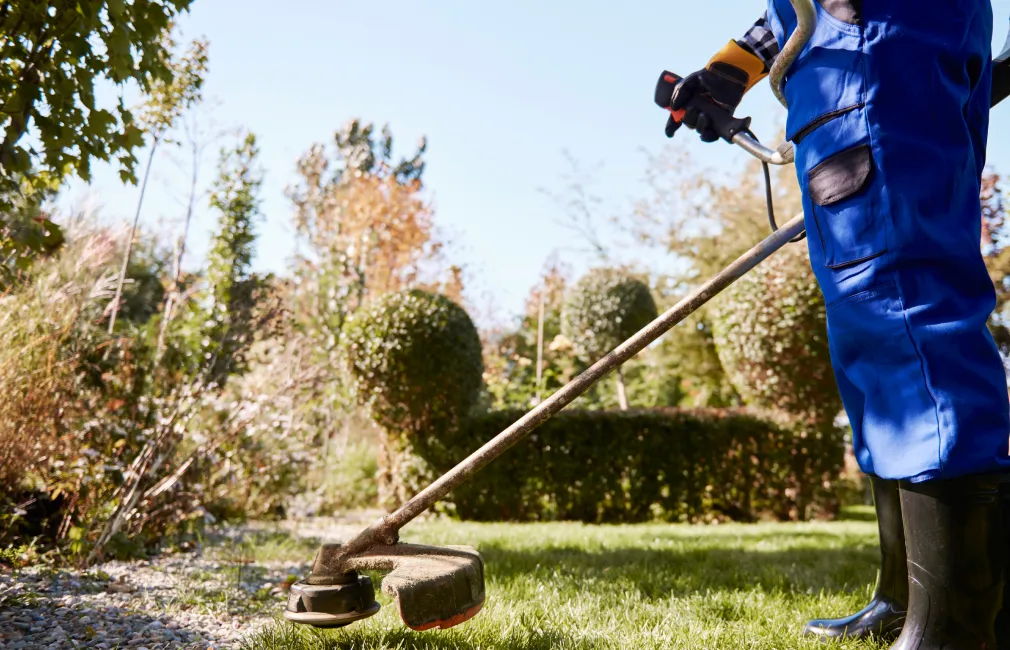
Hornsby Bend Lawn Installation Types

Sod Installation
-
Hydroseeding
-
Artificial Turf Installation
-
Native Grass Planting
-
Sprigging and Plugging
-
Overseeding
-
Soil Preparation and Grading
Our Lawn Installation Process
Site Evaluation
Soil Preparation
Lawn Installation
Watering and Initial Care
Why Choose Hornsby Bend Landscape Services
Hornsby Bend Homeowners Trust Us
-
Comprehensive Lawn Maintenance
-
Reliable Irrigation Solutions
-
Expert Tree and Shrub Care
-
Seasonal Clean-Up Services
-
Competitive Pricing
-
Professional and Courteous Team
-
Satisfaction Guarantee
Soil Series and Drainage Considerations for Lawn Installation in Hornsby Bend
Lawn installation in Hornsby Bend requires careful assessment of local soil conditions, which are predominantly Houston Black clay and Burleson clay loam according to the USDA Web Soil Survey. These soils are characterized by high clay content, slow permeability, and a tendency for seasonal water retention, with pH values typically ranging from 7.5 to 8.2. Proper site preparation should include:
- Core aeration to a depth of 2-3 inches to alleviate compaction
- Incorporation of 2-3 inches of compost tilled to a 6-inch depth
- Lime application only if pH is below 6.0 (rare in this region)
- Installation of French drains or grading for areas with persistent standing water Soil testing is recommended through Texas A&M AgriLife Extension (typical cost: $15-25 per sample) to determine amendment needs. These steps ensure compliance with local standards and promote healthy turf establishment.
Municipal Coordination and Lawn Installation Permitting in Hornsby Bend
All lawn installation projects in Hornsby Bend must comply with municipal ordinances regarding construction hours, site disturbance, and stormwater management. Equipment operation is permitted:
- Monday-Friday: 7:00 AM - 7:00 PM
- Saturday: 8:00 AM - 6:00 PM
- Sunday and holidays: Prohibited Permits are required for any grading, soil import/export, or irrigation system installation, with application fees typically ranging from $50 to $100 and a review period of 5-10 business days. Projects within 25 feet of wetlands or drainage channels must maintain a no-disturbance buffer. For guidance on permitting and compliance, coordinate with the Department of Public Works.
City of Austin Transportation & Public Works
505 Barton Springs Road, Austin, TX 78704
Phone: (512) 974-7065
Official Website: City of Austin Transportation & Public Works
Environmental Compliance: Stormwater and Buffer Zone Regulations in Hornsby Bend
Lawn installation activities in Hornsby Bend are subject to both federal and state environmental regulations, including the Clean Water Act and Texas Water Code. The city operates under an MS4 permit, which prohibits the discharge of soil, sod, or grass clippings into storm drains. Key requirements include:
- Maintain a 25-foot buffer from wetlands and water bodies
- No fertilizer or pesticide application within 50 feet of drainage ditches
- Use biodegradable erosion control blankets on slopes exceeding 5%
- Weekly inspection of silt fences during installation Violations may result in fines up to $2,000 per incident. For further information, consult the Texas Commission on Environmental Quality and EPA Region 6.
Texas Commission on Environmental Quality
12100 Park 35 Circle, Austin, TX 78753
Phone: (512) 239-1000
Official Website: Texas Commission on Environmental Quality
Optimal Lawn Installation Timing and Climate Considerations for Hornsby Bend
Hornsby Bend is located in USDA Hardiness Zone 8b, with average annual minimum temperatures of 15-20°F. The optimal windows for lawn installation are:
- Spring: April 1 – May 31 (soil temperature 60-75°F)
- Fall: September 1 – October 15 (before first frost, typically late October) Avoid installation during June-August due to high heat and drought stress. Monitor local weather forecasts through the National Weather Service Austin/San Antonio Office to avoid heavy rainfall events that can delay sod rooting or seed germination. For cool-season grasses, target soil temperatures above 50°F; for warm-season sod, ensure consistent irrigation during establishment. These timing guidelines help maximize turf survival and reduce the need for replanting.
Professional Standards and Safety Protocols for Lawn Installation in Hornsby Bend
Lawn installation in Hornsby Bend must adhere to professional safety and equipment standards. All operators are required to use:
- Eye protection: ANSI Z87.1 safety glasses
- Hearing protection: Earmuffs or plugs for equipment exceeding 85 dB
- Footwear: Steel-toed, non-slip boots
- Gloves: Cut-resistant for sod handling Commercial-grade sod cutters and 4-stroke mowers are recommended, with blades sharpened every 20-25 hours of use. Maintain a 15-foot clearance from overhead power lines during equipment operation. All personnel must be trained in safe lifting techniques for sod rolls (typically 35-45 lbs each). For work near public roads, use high-visibility vests and place warning signs 500 feet in advance. The Department of Public Works provides additional safety guidance for large-scale projects.
City of Austin Transportation & Public Works
505 Barton Springs Road, Austin, TX 78704
Phone: (512) 974-7065
Official Website: City of Austin Transportation & Public Works
What Neighborhoods Do We Serve Throughout Hornsby Bend, TX?
- Gilbert Lane Estates: Features expansive lots with Houston Black clay soils, requiring thorough aeration and drainage planning for successful lawn establishment.
- River’s Edge: Proximity to the Colorado River and local wetlands necessitates strict adherence to buffer zone regulations and erosion control measures.
- Bend at Nuckols Crossing: Newer development with compacted fill soils; soil amendment and deep tilling are essential for turf rooting.
- Bluebonnet Acres: Mature trees and shaded lots present challenges for warm-season grass selection and require shade-tolerant turf varieties.
- Hornsby Glen: Located near floodplain areas, this neighborhood demands careful grading and stormwater management to prevent turf loss during heavy rains.
- Meadows at Hornsby Bend: Features smaller lots with HOA landscaping standards, including specific turf height and maintenance requirements.
- Hunters Bend: Sloped terrain and limited equipment access require specialized installation techniques and erosion control practices.